
Before light
Diagnostics of the coloring, elasticity, voidsty and real hair resource.
Nirvel DECO is a professional line for hair lightening and bleaching. The specific product and developer system should be selected according to the technique, starting base, color history and condition of the hair.
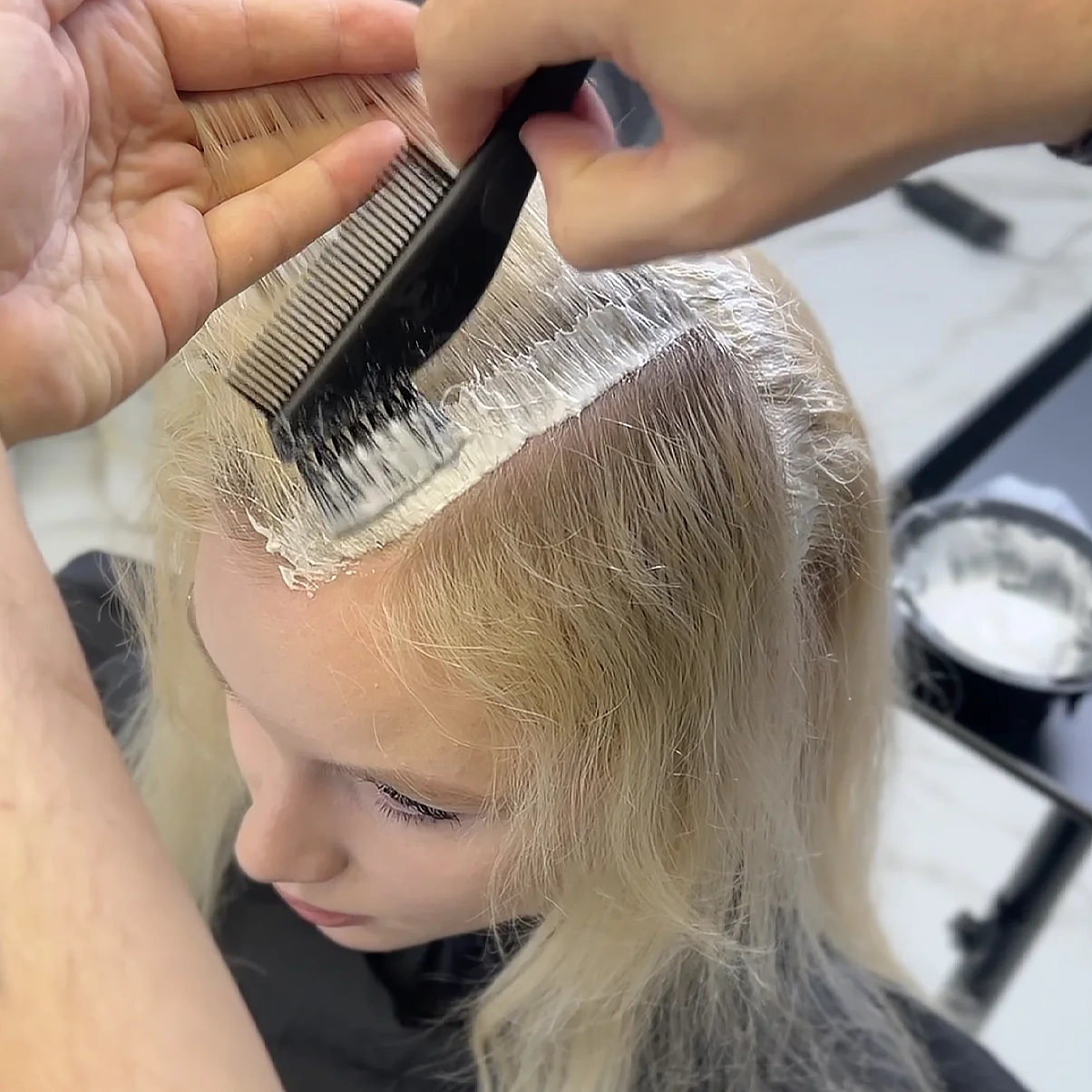
DECO is a system for professionals that is important not just to shine their hair but to have a controlled and predictable base for further coloring.
Diagnostics of the coloring, elasticity, voidsty and real hair resource.
The target is not the maximum number of levels at any cost, but the uniform background of the right light with the stored resource to be further toneed.

A professional lightening powder Nirvel DecoBastic for grinding, blinking, ballading and full hair lightening in the salon.

A professional cream supplement to Nirvel DecoBlanc for the reinforcement and math of lightening, the reduction of yellow and orange nuances in hair lightening.

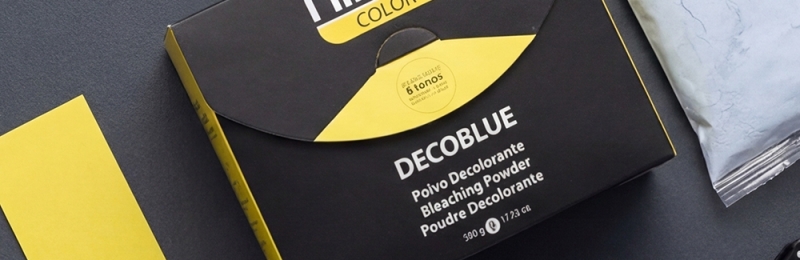
Professional blue lightening powder Nirvel DecoBlue for grinding, babylights and full lightening up to 8 levels.

Professional gelly bleaching product Nirvel DecoGel for uniform lightening up to 10 levels in closed and open machinery.
On the old DECO Peroxide Cream page, the new site has these items stored separately, so we're going to release them here as linked products.
Basic blond powder for classical lightening.
Blue blond powder, where there's a need for a higher lightening potential and a warm background.
A gel system for tech, where plasticity and technological features of gel application are important.
Cream supplement for the mating of unwanted heat during lightening; only applied according to the technological instruction.
Cream developer used with products DECO as specified by the product.
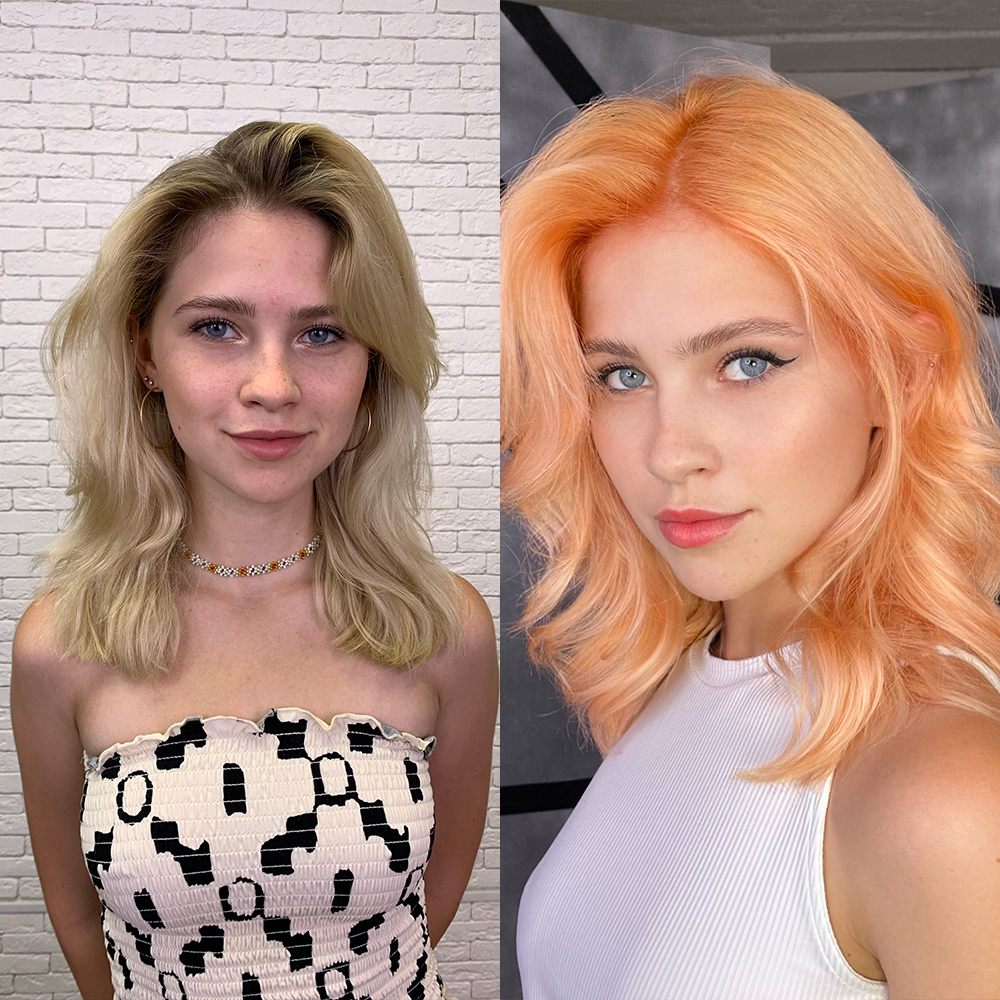
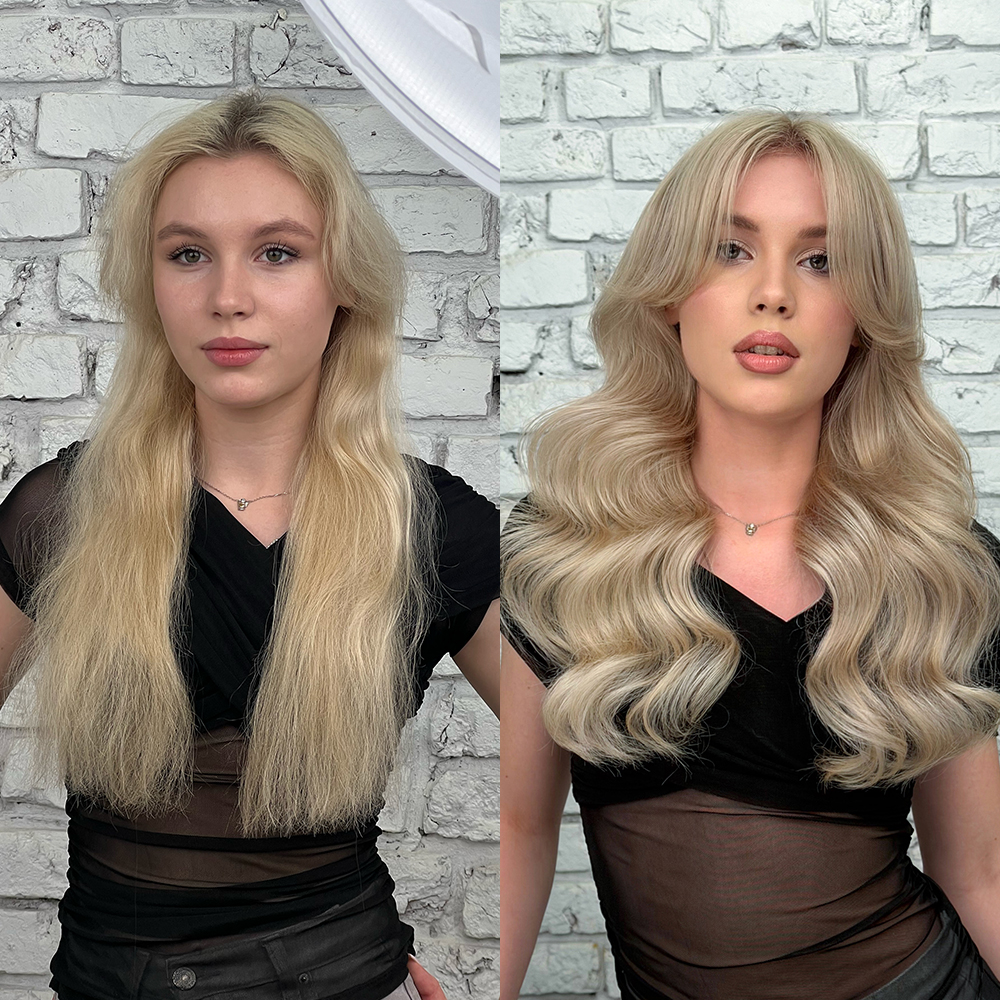
Decobasic is a basic blonde powder for classical tasks: cliché, bladder, ballading, decaping and bleaching. Nirvel describes it as a product for producing \streks, glints, balaiges, delayering and completing \.Decoble is a blue blond poodle that illuminates to eight levels and further helps visually to mimic yellow nuances, creating more \\intint white output.
Decogel is a non-dusting gel lightener rather than a powder. Nirvel describes lift of up to 10 levels, a creamy non-dusting texture, strong adherence to the hair, and easy distribution. It is positioned for enclosed techniques, open-air work, balayage, and global lightening. Its gel texture can be useful when precise placement and consistent product distribution are important.
Decobasic or Decobloe can be used for classical cliché. Decobasic will be a universal basic product. Decoble would be more logical if a cleaner light base and additional visual nuance mating is needed. Nirvel indicates that Decoblue is suitable for highlights, bbylights and overall bleaching.
For babylights, it is better to choose Decoble or Decogel. Decoble is officially named Nirvel as a product for highlights and babylights, lightening up to 8 levels and helping to math yellow nuances. Decogel can be selected if cream texture, good adgesia, even distribution and control of the mixture are important.
The reason for the ballading is Decobasic, Decobule or Decogel, but the most logical choice for modern technology is Decogel.
Decoble is a global bleaching system that uses Decoble or Decogel. Decoble is a level 8-level lighter and is suitable for overall bleaching. Decogel is a level 10 lighter and suitable for global lightening, with cream non-dusting texture and a more even process of bleaching.
Within the DECO line, Nirvel describes different maximum lift capabilities for different lighteners, including up to 10 levels for Decogel and up to 8 levels for Decoblue. These are maximum claims under suitable conditions, not guarantees on every head of hair. Actual lift depends on the natural starting base, artificial-color history, hair diameter and condition, developer, application, processing, and technique. Diagnosis determines the service strategy.
If the task is to further soften the yellow background, you can choose Decoblane or add Decoblanc according to the manufacturer's instructions. Decoblue has a blue nuance and, according to Nirvel, it mages yellowish colors, helping to produce a more optical white result. Decoblanc is a cream supplement to bleaching that helps to remove orange and yellow nuances during the lightening process.
Nirvel describes Decoblanc as a cream additive used within compatible DECO lightening services to help manage visible orange/yellow warmth during the service. Treat it as a system-specific additive, not as a universal “orange remover.” If the starting canvas is too dark, heavily loaded with artificial pigment, or uneven, first correct the lightening strategy rather than relying on an additive alone.
No. The official instruction Nirvel for Decoblanc indicates that it is important not to use previously lightened hair. This is important to take to the website and to train the professionals because the product is designed not for any hair fiber but for specific tasks in the bleaching process.
ArtX Blue bleaching power + cream developer + Decoblanc.DecoBlue or DecoBasic + DecoBacic + Decoblanc.
The official Nirvel instruction indicates such proportions: For blonde hair: 30 g DECO + 60 g developer cream + 5 - 8 g Decoblanc. For brown hair: 30 g DECO + 60 g oxide cream + 8 - 12 g Decoblanc. The mixture is applied to dry hair for 25 - 45 minutes with periodic control.
High developer concentration dramatically increases oxidation load on hair. Use only those concentrations and proportions permitted by the instructions of a specific product DECO for a particular machine. Informal universal circuits with 12% on the site are not recommended.
For Decobasic and Decoblue, the time taken is officially set for 20–50 minutes depending on the hair condition, and the recommended mixture is 20–40 minutes with constant control. For Decogel, the minutes are given for 20–40 minutes under the stylist's control. The rule is that the extract is not considered to be a timer, because it says that, but the hair condition and the background of the light.
Do not add external heat unless explicitly provided by a specific product ' s instructions. Warming accelerates oxidation reaction and may reduce the safety level.
Bleaching is an oxidative process. Peroxide/persulfate lightening targets melanin but can also produce oxidative damage within the hair fiber. Excessive lightening can compromise morphology and internal structure. If the required underlying background is not reached safely within the product limits, the answer is not automatically “more time.” Rinse, reassess hair integrity, and redesign the service strategy when necessary.
Any bleaching service can damage hair because the oxidative chemistry that degrades melanin can also affect protein structures. Peroxide/persulfate processing can produce oxidative changes in keratin and increase fiber damage. DECO provides different professional lightening tools, but diagnosis, product/developer selection, processing limits, application control, and hair-integrity assessment remain essential.
The risk reduction is not a single product but the entire technological discipline: Hair History Diagnostic, Test-Tube, DECO, Correct Oxyxyant Work, Sufficient Mixture, Mixing Humidity Control, Regular Test of Elacticity and Background, No Overheating and Use of Protection Systems.
Decogel is a non-filtering gel bleaching. Decoble is also described as a powder with a new formula that prevents powder from spreading in the air. If the stylist is important to maximum texture comfort and minimum volatility, it is more logical to start with Decogel.
The best way to use open technology is to use the Decogel because Nirvel directly indicates its use for open air, balage, enclosed highlights and global lightening. The helium texture has a strong side here: it is better held on hair, more easily distributed and gives the stylist more control over the application.
Previously color-treated hair requires a strand test and careful history review. Product choice within DECO depends on technique and the current Nirvel instructions, while lift will be affected by accumulated artificial pigment, porosity, and prior services. Do not use Decoblanc on previously bleached hair where Nirvel advises against it. Old artificial color can make the underlying background lift unevenly.
This depends on the product DECO and its official instructions. The scalp is only used for the product and on the concentration that the manufacturer allows for on-scalp application. An irritant or damaged skin is not luminance.
Water changes the concentration and reology of the luminance mixture, so wet hair work is only allowed in a specific process protocol. Wet application cannot be considered as a universal substitute for standard luminance on dry hair.
Especially if the hair is previously painted, lightened, has household dye, huh, metal salts, keratin/acid procedures or unknown history, which is scientifically justified: oxidation treatment can damage cortex and protein hair structures, and the degree of damage depends on the original state of the fibre and the intensity of the process.
Not recommended.
Yes, if hair integrity remains acceptable and the underlying lightening background is suitable for the target. First remove the lightener completely, reassess the condition and porosity of the hair, then decide whether toning can proceed. Lightening changes the structure and behavior of the hair, so toning without reassessment can increase the risk of uneven or overly dense deposit.
A clear client explanation is: “The goal is not simply to make the hair lighter. Lightening oxidizes pigment, but the chemistry can also affect the hair structure, so I monitor both the color and the integrity of the hair throughout the service.” This accurately reflects the need to balance lift with fiber condition.
The decision pages explain the sequence of application. Free instructions, protocols and videos for products are collected in the knowledge base.