
Before coloring
Diagnostics of the light base, natural root, porosity and residual cosmetic color.
Nirvel ACID is a professional acidic color and toning system for controlled tonal work. Formula and application method are selected according to the starting color, porosity and target result.
Prices are calculated from the chosen shade. The actual personal price is determined by the current status of the account.
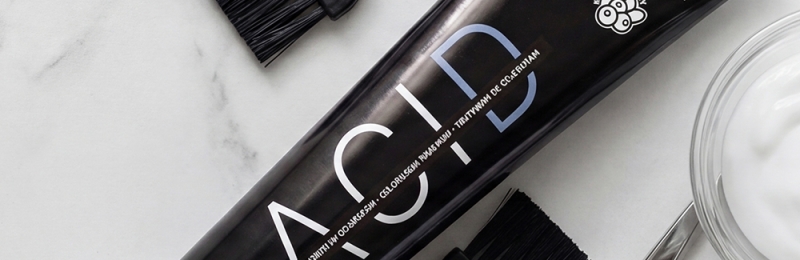
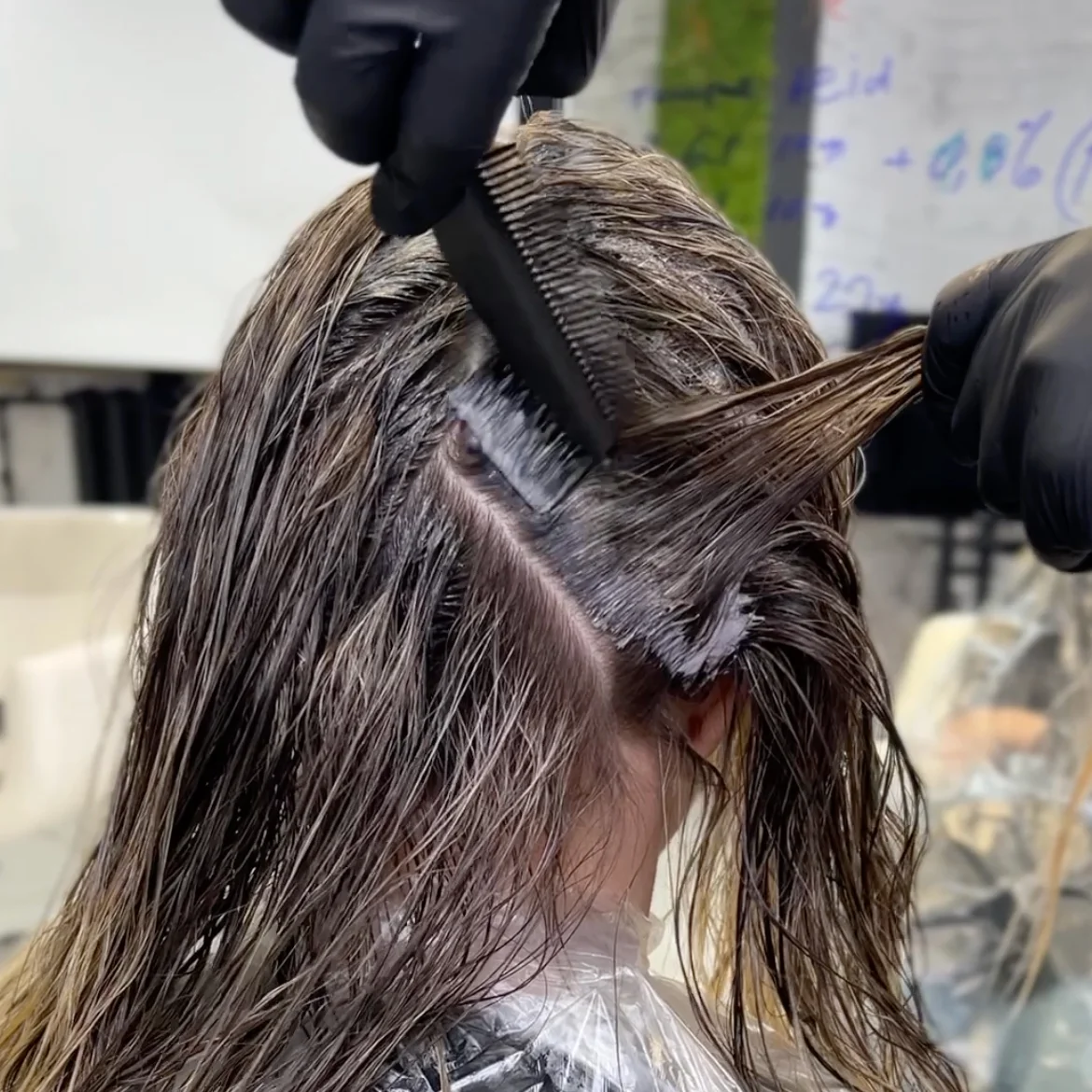
Nirvel ACID is a tool for craftsmen who need not lift the base, but precisely and gently control the shade on the light bulb already created.
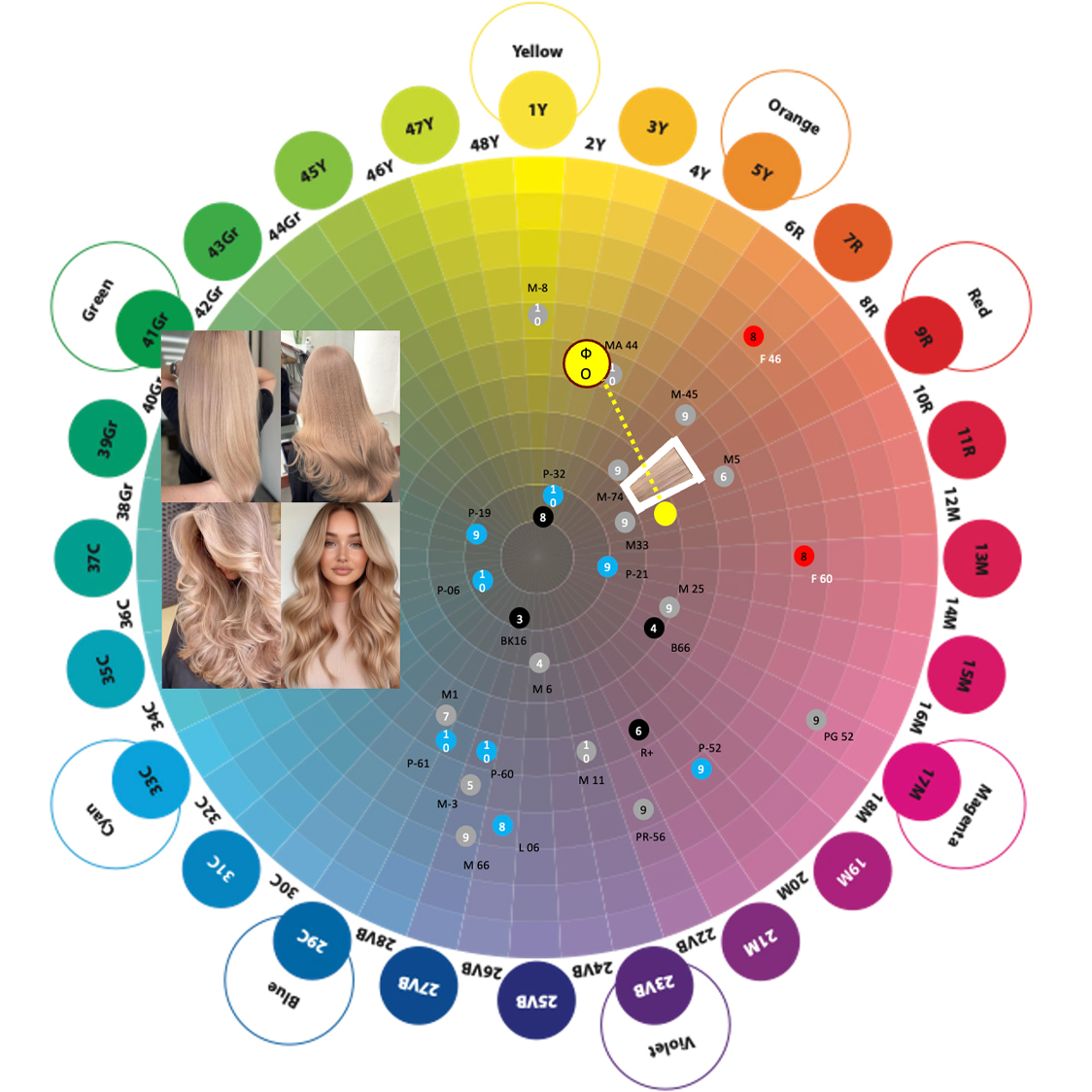
the stylist barber gets a real working tool: diagnosis → color coordinates → formulation pathway → controlled result.
Diagnostics of the light base, natural root, porosity and residual cosmetic color.
Set the desired direction and density of tone.
Selection of the ACID formula through the color coordinates and controlled acid tone.
Acid cream tonter with blueberry extract for tone without lightening the natural base.
Select a shadeColorless cream to reduce the intensity of the selected shade and the more transparent result. The color is chosen among the shades ACID.
Select 00ACID 3 Vol (0.9%) special displayer.
More detailedBaseline ratio: 1:1.5. Clean wet or dry hair, a ductile guide, up to 20 minutes with visual control.
Use the breeding system described in the instruction to the line to control the light and saturation accurately.
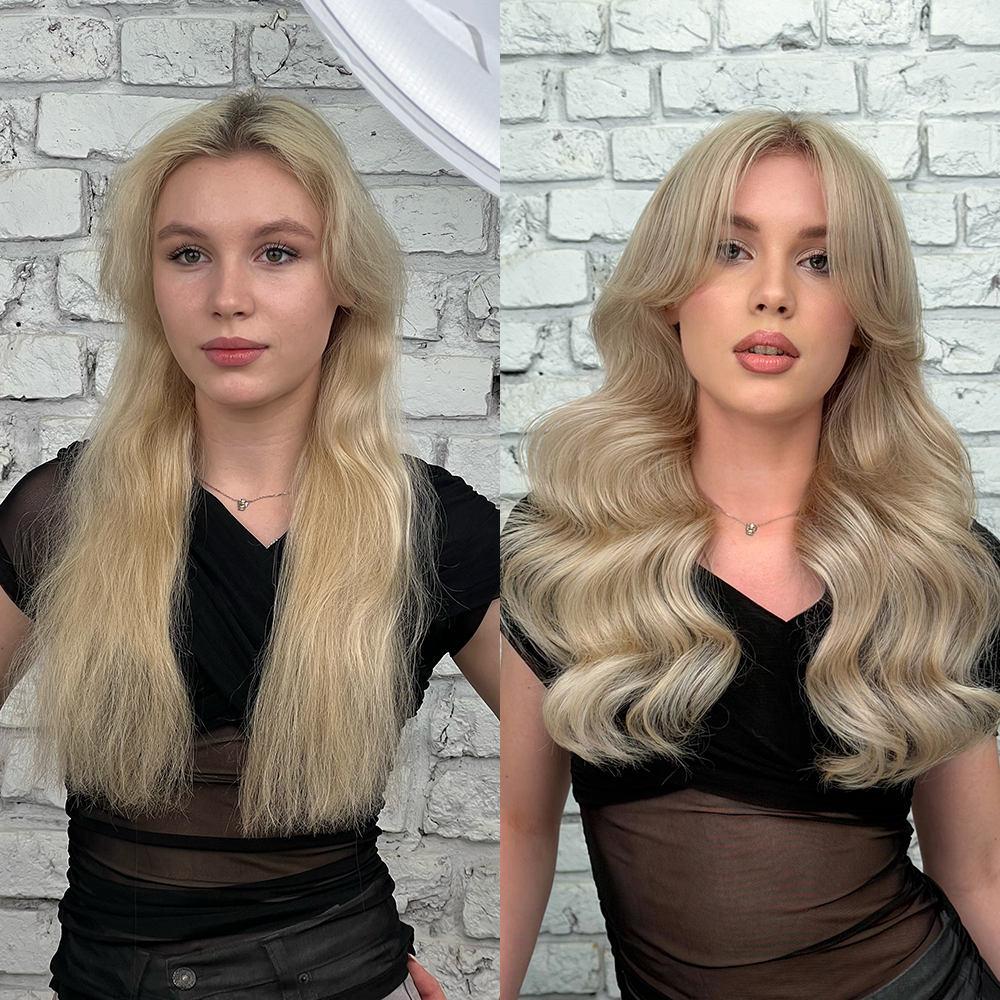
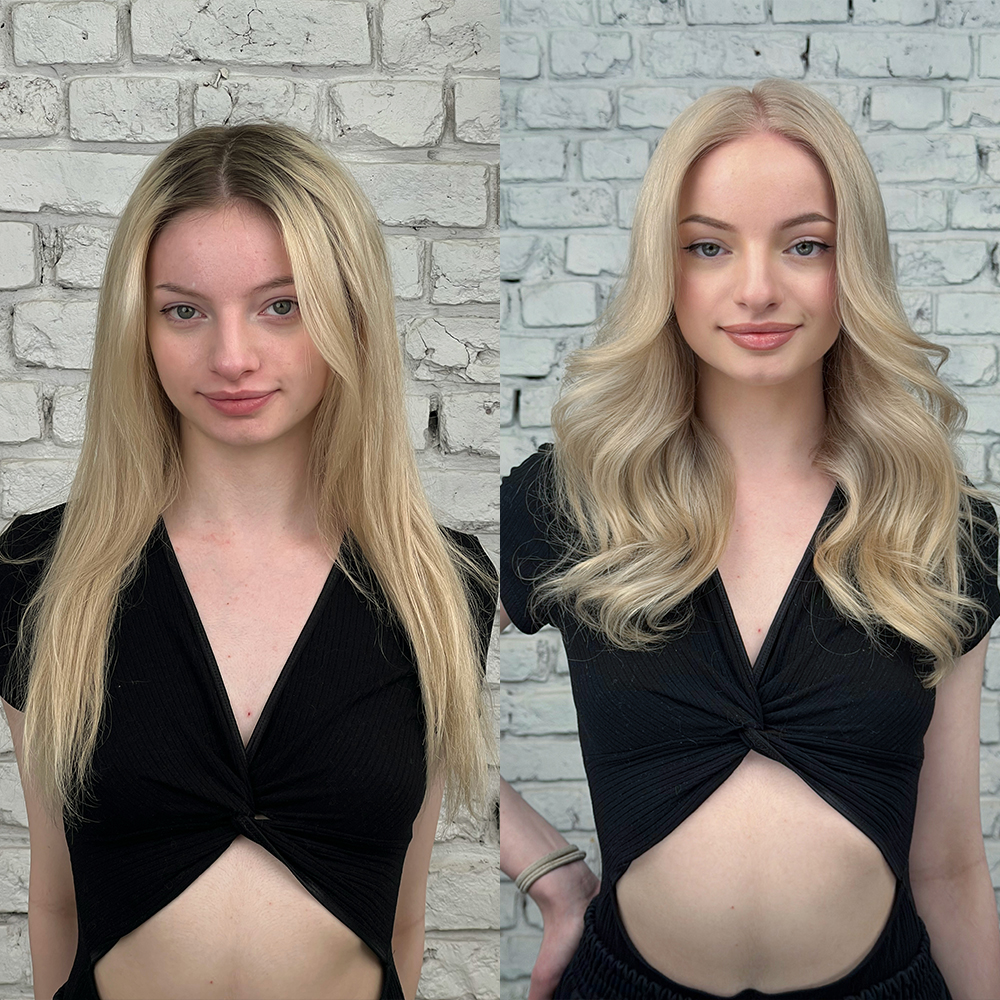
The final shade depends on the starting canvas: lightness, porosity, underlying lightening background, residual artificial color, and formula density. Nirvel ACID does not lighten the hair or lift the natural base, so it interacts with the color already present in the hair. On a clean blonde canvas the result may look brighter and more transparent; on a warmer base it will read warmer; on porous areas it may deposit more densely. Nirvel positions ACID as a toning system that does not create a lift-related root effect.
No. Nirvel ACID is not the primary system for dense permanent gray coverage. Its role is toning, refreshing shade, working on previously lightened or color-treated hair, adding shine, and making softer tonal corrections. For full gray coverage, choose a system specifically intended for that service, such as ArtX or Nature, according to the desired result and current technical guidance.
No. Nirvel ACID is not intended to lift the natural base. That makes it useful for blonde toning, Airtouch/highlighted work, dimensional color, and refreshing the lengths when natural-root lift is not desired. Nirvel specifically states that ACID does not lighten the natural hair color.
Use Nirvel ACID when the goal is tonal control rather than lift. It is suited to toning after lightening, refreshing faded color, adding shine, creating pastel directions, softening unwanted tone, and working through the lengths without lifting the natural root. Nirvel also positions ACID for refreshing color after bleaching/lightening services.
Nirvel ACID is designed as a lower-pH toning system rather than a natural-base lightening system. Nirvel describes conditioning benefits, blueberry extract, softness, and shine. For client communication, describe these as cosmetic conditioning and appearance benefits — not as biological “healing” of damaged hair.
Nirvel ACID is especially useful on blonde hair, but accurate diagnosis matters. On a clean light canvas, the shade can appear clear and translucent; on porous blonde hair it may deposit more densely; on a warm canvas it will visually mix with residual yellow, orange, or golden undertones. Assess lightness, underlying lightening background, and porosity before application. Use ACID Gloss 00 only according to the current Nirvel service instructions when a softer, more transparent result is desired.
ACID Gloss 00 is used to reduce shade density and create a more translucent result. It can be useful on blonde, porous, or pastel services where full-strength deposit may be too intense. Use Gloss 00, ACID 3VOL, and all mixing ratios exactly as stated in the current Nirvel ACID technical instructions.
Yes, when the goal is a subtle tonal/gloss effect without major color change. Use ACID Gloss 00 only in the service modes permitted by Nirvel. This can create a more translucent, conditioned-looking finish.
Nirvel ACID is an acidic toning system, not a classic permanent oxidative color. Longevity depends on hair condition, porosity, shade, home care, wash frequency, water temperature, and cleanser choice. Nirvel describes improved application and color retention, but the service should not be presented as having the same longevity as permanent color.
Yes. Refreshing faded lengths is a core use case for ACID. When tone has faded, blonde has become warmer, or color has lost depth, ACID can refresh the nuance without lifting the natural base, making it useful between larger color services.
Yes. Nirvel positions ACID for toning after lightening. It is useful after highlights, Airtouch, balayage, total-blonde, and other services where the lightness has already been created and the goal is to refine the final color direction.
Yes, for deposit only. On natural hair, ACID does not provide lift or raise the natural level. It can add tonal nuance, shine, and a soft veil of color. If the target requires lifting the natural base, choose a suitable lightening/permanent-color system instead.
Yes, if a shade is chosen that is darker than the original base, but it is a tone-thinking result, not a classic permanent coloring, for example, a light or lightening base can be designed to create a deeper beige, caramel, chocolate or coffee shade, but a dark natural base ACID will not radically change color because it does not light hair.
Nirvel Nature is an ammonia-free oxidative color system with different approved service modes, including permanent color and gray coverage. Nirvel ACID is an acidic toning system that does not lift the natural base. ACID is especially useful for blonde lengths, tonal refresh, shine, and softer color correction without lift at the root.
Nirvel Silver is primarily designed for gray, white and gray hair: yellow neutralization, gray brace, gray brace, gray brace, gray integration. Nirvel ACID is more widely designed: blond hair, bleached hair, color stretch, length freshening, pasting shades, soft correction and glossing.
Choose the shade from both the target and the starting canvas. Platinum, violet, pearl, and cool blue directions can support cooler blonde targets; Camel, Honey, Nacar, and Caramel create softer commercial blonde directions; Rosse, Coral, and Purple create pink/peach/fashion effects; Moka, Chocolate, and Coffee add depth to previously lightened or faded lengths. ACID does not “fix” an unsuitable starting canvas by itself: an overly warm, muddy, or uneven underlying lightening background will influence the final result.
On the porous hair, it is better to reduce the density of the formula through ACID Gloss 00 and to visually control the process. Porous areas can take the pigment faster and denser, especially at the ends and the light zones. So for a soft result, it is better to choose a more transparent formula than then to make a \\1-level rescue operation Netflix-drama.
Yes, in the ACID system, the shades can be mixed to create an individual nuance. But it is important to maintain logic: the reference base, the density of the shade, the desired transparency and the total volume of the mixture with the activation. ACID Gloss 00 is used to mitigate any shade.
Not recommended. The official instruction Nirvel indicates the work of ACID with ACID 3VOL. When mixed with other activators or dyes, you can change pH, the density of the display, the persistence and the final shade. Then it's not the dye, but ~ I just added a little bit of a brand.
Main proportion: 1 part Nirvel ACID + 1.5 part ACID 3VOL For total volume: 100 ml ACID + 150 ml ACID 3VOL. For soft result: 50 ml ACID + 50 ml ACID Gloss 00 + 150 ml ACID 3VOL.
Yes. The official application pattern indicates that ACID is mixed with ACID 3VOL. This is important for correct operation of the acid system, density of the shade and predictable result.
ACID can be considered for gentle toning after a reductive color-removal service only after reassessing the hair. Confirm what artificial pigment remains, whether color return/reoxidation is occurring, the degree of porosity, and the visible underlying background. ACID does not remove residual artificial color or create lift; it deposits tone onto the existing canvas.
Compatibility with a previous care/reconstruction service depends on the actual products, pH, film-forming ingredients, and condition of the hair. A heavy surface film can affect wetting and deposit. In practice, prioritize the color service first and final conditioning afterward; if a prior treatment has already been performed, reassess how evenly the hair accepts water and product before toning.
Yes, if the condition of the hair allows it. ACID can be used for toning after lightening, but first assess elasticity, porosity, strength, and the evenness of the underlying canvas. If the hair is severely compromised, defer or modify the service rather than assuming a diluted toner makes the hair safe to process.
Because the acidic toning system does not function as aggressive lightening, and the formula is aimed at conditioning, softness, shine and visual sealing of the cuticula. Nirvel indicates among the effects of ACID: hair quality improvement, gloss, conditioning, softness and sealing cuticles - sealing the cuticula.
The decision pages explain the sequence of application. Free instructions, protocols and videos for products are collected in the knowledge base.